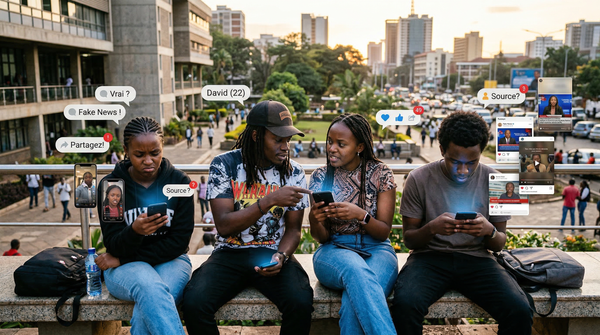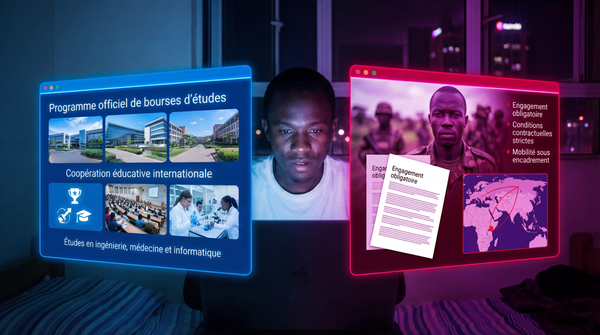




Health misinformation is a major challenge, particularly when it relates to pandemics and epidemics.
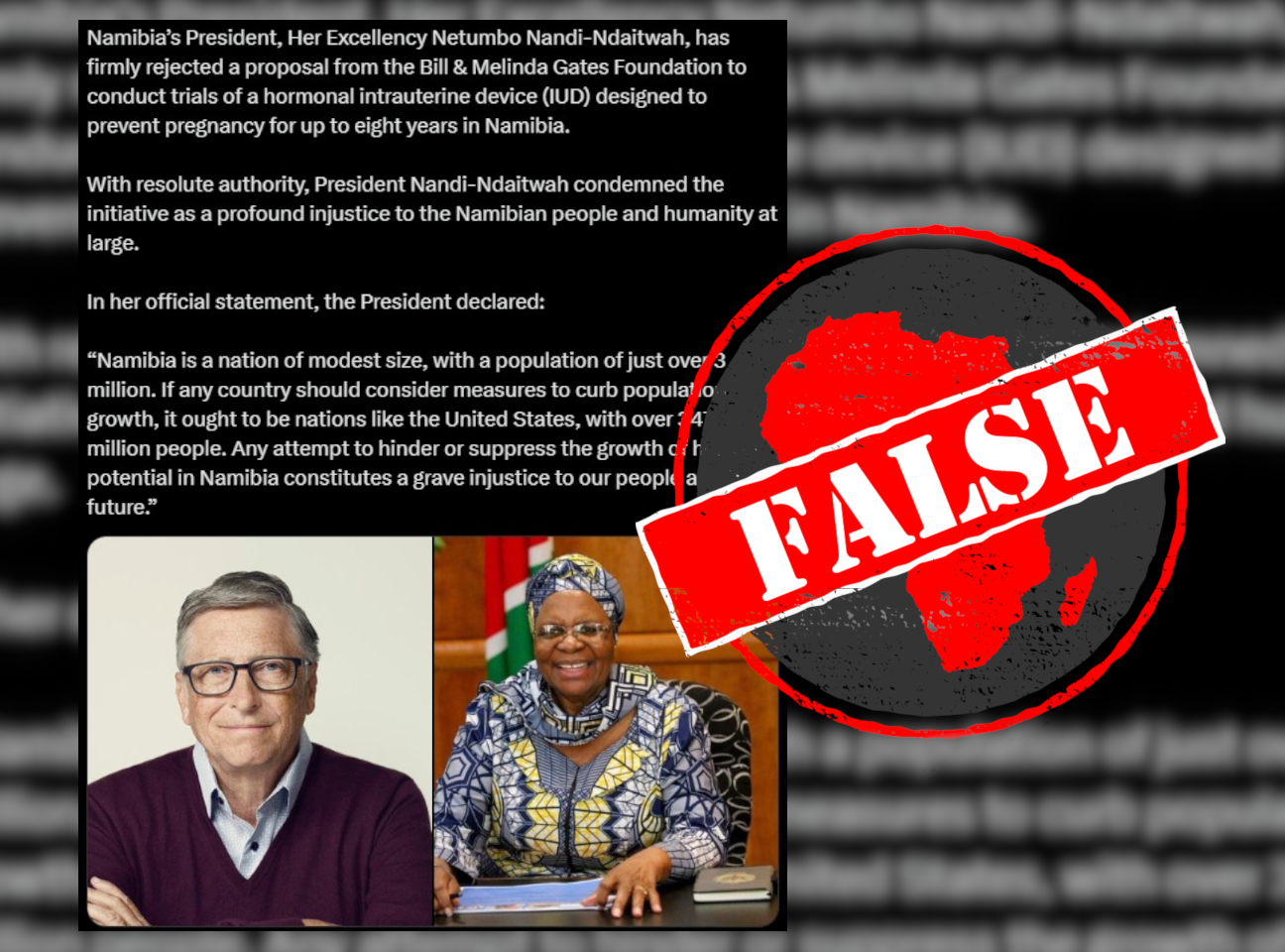
Since July 2025, rumors have circulated that Namibian President Netumbo Nandi-Ndaitwah rejected a proposal from the Bill & Melinda Gates Foundation to conduct clinical trials of contraceptives in the country. Many praised her for her firm stance and called for greater female representation in politics worldwide. The presidency dismissed these allegations as "fake news," stating that no such proposal had ever been received or considered.
The origin of disinformation
These false allegations began circulating on social media, particularly Facebook and TikTok, in early August. The posts falsely attributed a statement to President Nandi-Ndaitwah, claiming that the government had rejected the Gates Foundation's proposal for clinical trials of hormonal intrauterine devices (IUDs). The fabricated statement purportedly read: "Any attempt to impede or suppress the development of human potential in Namibia constitutes a grave injustice to our people and their future."
Fact-checking and official response
Africa Check, a reputable fact-checking organization, quickly investigated these allegations. Its findings confirmed that there was no evidence of a proposed clinical trial of IUDs approved by Bill Gates in Namibia, nor of any official rejection by the president.
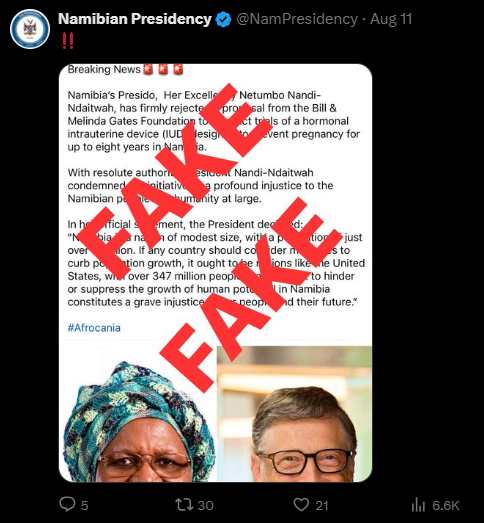
The official social media accounts of the Namibian presidency also labeled these claims as "fake news", highlighting the absence of any such proposal.
The Gates Foundation told Reuters that it "is not conducting any projects related to hormonal IUDs (hormonal intrauterine devices) in Namibia," but that it "is collaborating with partners to expand access to safe and voluntary options such as hormonal IUDs in other countries."
The foundation added that the quote attributed to the president was "fabricated," stating that she had "rejected these allegations as baseless," referring to the message posted on her X account.
Reuters also found no statement rejecting such tests published on the official website of the Namibian presidency or on associated social media.
The implications of disinformation
The spread of such misinformation highlights the challenges African countries face in combating disinformation, particularly regarding health and development initiatives. This is especially evident in the cases of the Ebola outbreak, the coronavirus pandemic, and many others. Health-related "fake news" can undermine public trust in health programs and hinder progress in addressing critical issues such as family planning and women's health.
The Namibian presidency's swift response to these false allegations reaffirmed its commitment to transparent communication and the well-being of its citizens. It urged the public to rely on reliable sources and official statements for accurate information.
At a time when disinformation is gaining ground, it is imperative that the public and the media critically evaluate information before it is disseminated. The Namibian government's swift and clear response underscores the importance of fact-checking and the role of responsible journalism in preserving public trust.
Écrit par Kosisochukwu Charity Ani