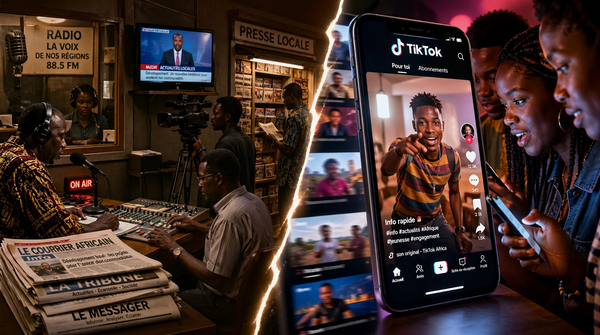
Freedom of expression and power sometimes make for a difficult mix. Between the rise of jihadism and military coups, the print and broadcast media in Africa struggle to find their footing. Aligning with the political line of those in power sometimes protects them from reprisals.
It is not always wise to oppose the powers that be, and many newspapers, television channels, radio stations, and journalists have learned this the hard way over the past few decades. This is especially true for the foreign press, which has been banned from certain countries. After ordering the suspension of Radio France Internationale (RFI) and the television channel France 24 in March 2022, the Malian government permanently banned them from broadcasting a few months later. Then, on May 13, 2025, TV5 Monde was deprived of broadcasting rights on the few remaining Malian television channels.
Niger followed its neighbor's lead by banning RFI and France 24 in August 2023 and, "on the instructions of the new military authorities," decided to suspend the BBC for three months. In all cases, the stated reason was, more or less, the same. The authorities denounced "baseless claims" and "disinformation campaigns" originating from the foreign press.
Self-censorship and disappearances of African journalists
This undeclared censorship has also affected the West African press. Since April 11, 2024, Malian media outlets have been prohibited from covering certain topics, particularly the activities of political parties and the political activities of certain associations. The reason given by the authorities? "The need to maintain public order." This iron grip has spread to the Sahel region, and those who dare to deviate from the rules are quickly identified and punished.
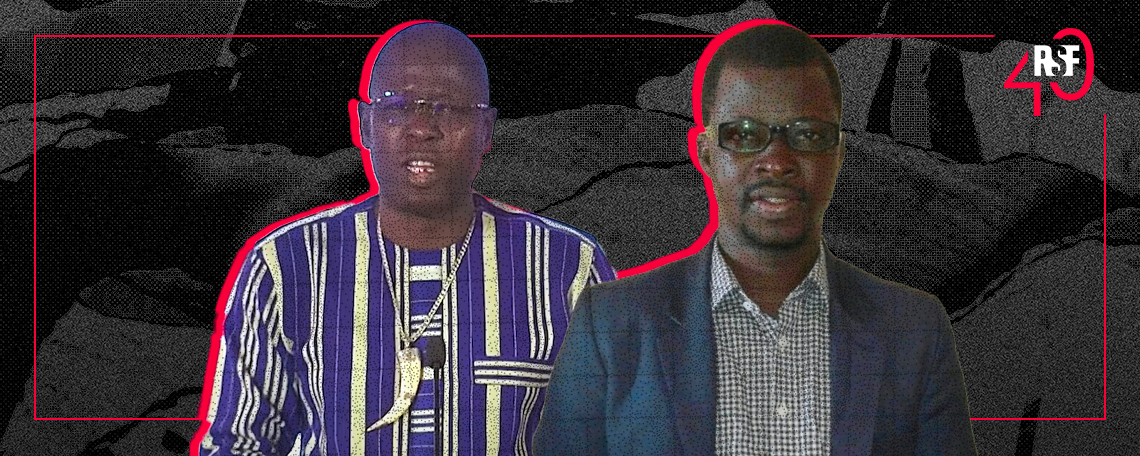
Ce fut le cas du célèbre chronique burkinabè, Adama Bayala journaliste à la chaine privée BF1 qui a été kidnappé le 28 juin 2024 à Ouagadougou alors qu'il faisait l'objet de plusieurs menaces concernant ses prises de positions sur la situation politique et sécuritaires au Burkina Faso. Son confrère Alain Traoré dit « Alain Alain », présentateur vedette de l'émission « Le défouloir » sur Radio Omega, a connu le même sort. Il a été embarqué le 13 juillet 2024, par des hommes de l'Agence nationale de renseignement pour une destination inconnue. Les deux journalistes n’ont été libérés que le 17 septembre dernier, après plus d’un an de détention dans un lieu tenu secret. De nombreux autres journalistes ont été enlevés au Niger,Tchad, Mali...

The consequences of self-censorship for democracy
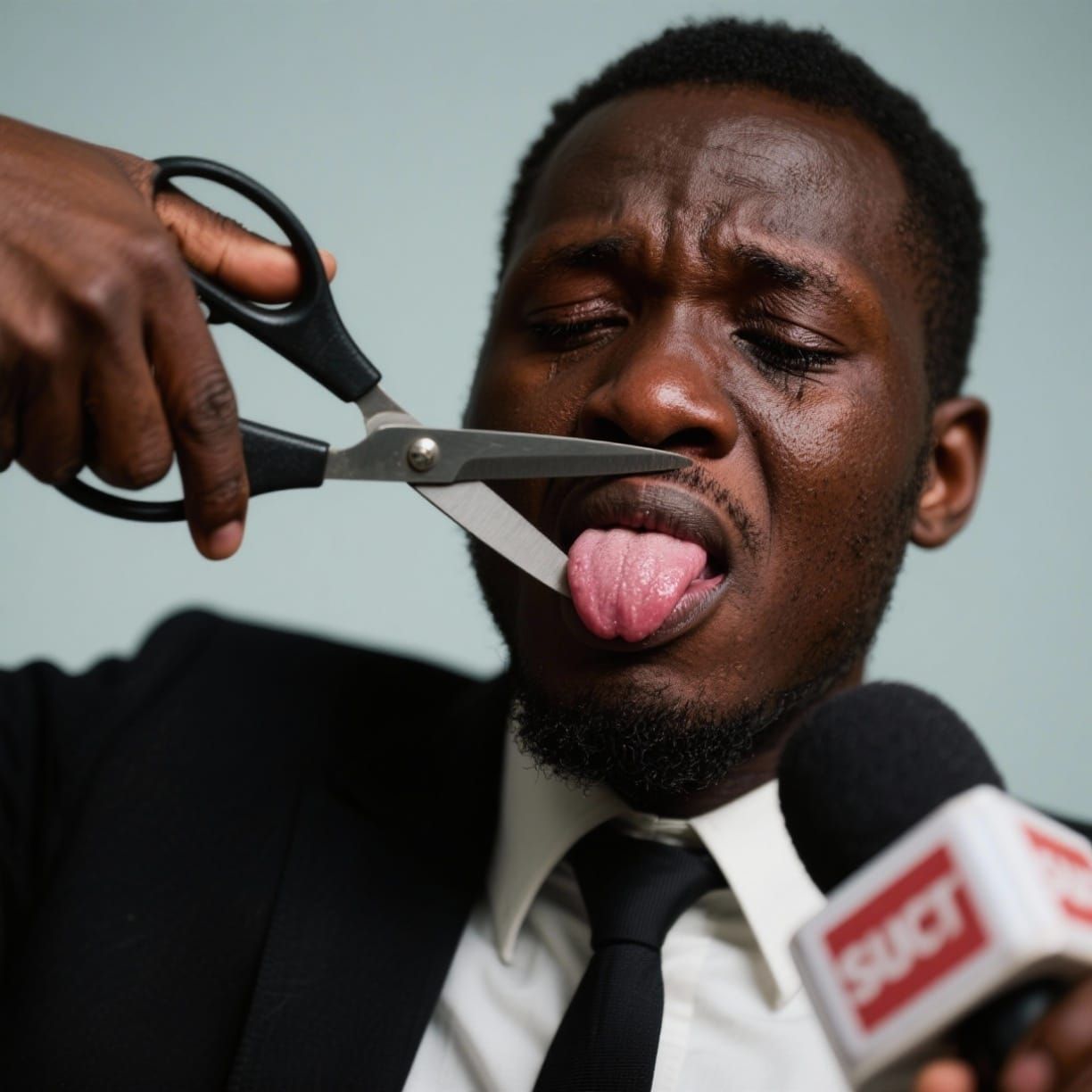
In this climate of distrust towards the press, and to avoid sometimes deadly reprisals (at least five journalists have been killed in sub-Saharan Africa in the last ten years, according to Reporters Without Borders), journalists keep a low profile. They deliberately refrain from reporting on certain information they have obtained from reliable sources. They thus avoid covering highly sensitive topics such as corruption, human rights violations, and abuses of power.
The often precarious conditions under which they work are hardly conducive to pursuing investigations further. They also fear losing their jobs and facing sanctions (direct against themselves and their media outlets / indirect against their loved ones) that would ostracize them from society. These factors naturally influence their decision to approach information from one angle rather than another.
This is why some media outlets often prioritize compliance with government expectations at the expense of the truth... But doesn't this self-censorship, which deprives the public of critical and diverse information, fuel a degree of disinformation? Doesn't it contribute to leaving citizens in a state of culpable ignorance on essential subjects?