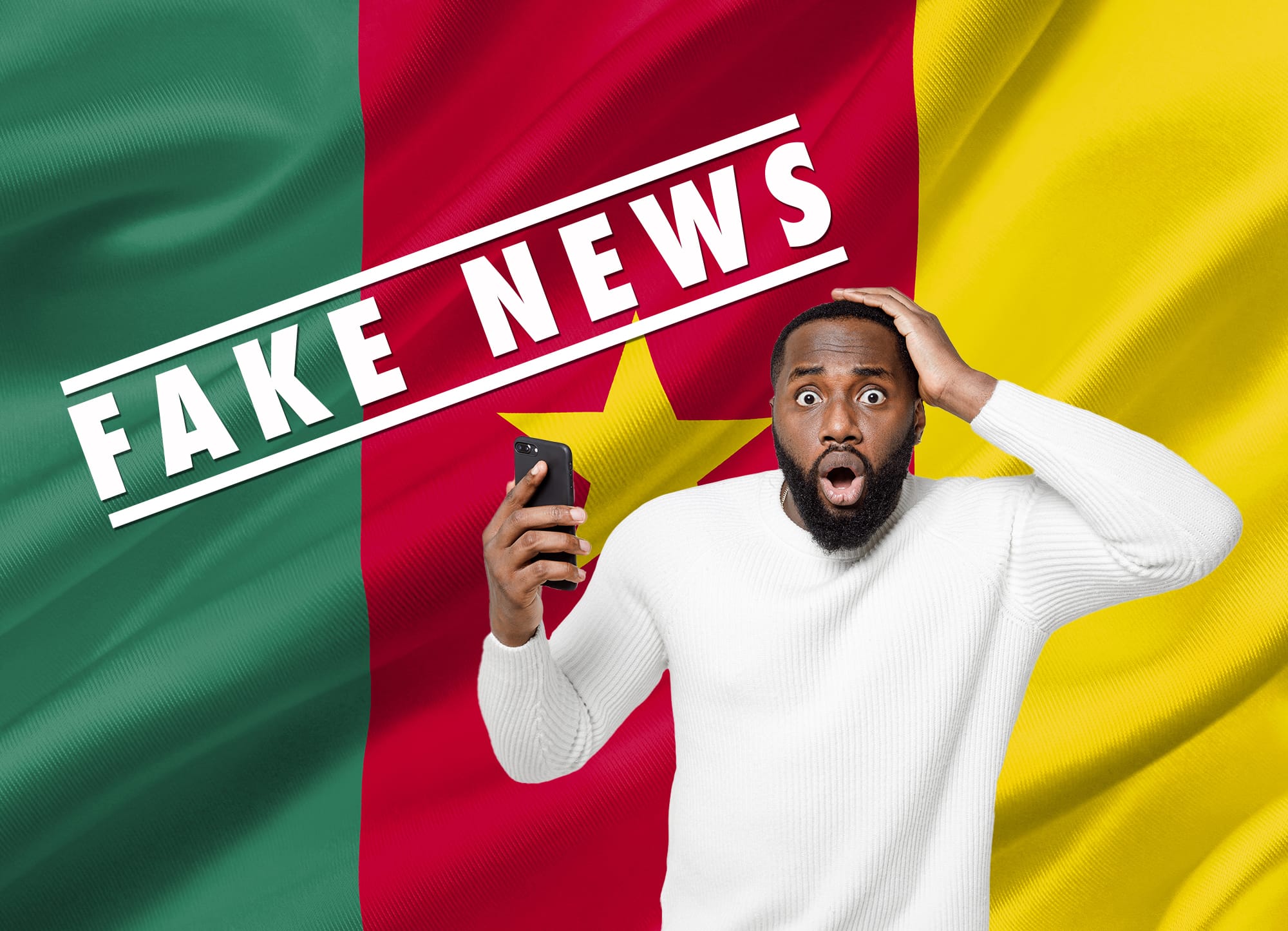



In Cameroon, multiple hotspots of tension fuel the spread of misinformation and manipulation.
The subject of various questions in recent years about the destiny it will experience in October 2025, the announced date of the next presidential election, Cameroon has ended up becoming a real curiosity for its own population, which is increasingly uncertain about the future that is coming.
The Anglophone crisis, also known as the Ambazonia War, which has persisted in the Northwest and Southwest regions since 2016; the Boko Haram incursions in the Far North; and Cameroon's eastern border with the Central African crisis are just a few examples. It should also be noted that the high cost of living and the hate speech that is now manifesting itself in tribal tensions and identity-based withdrawal remain worrying.
Raising awareness is at the heart of prevention strategies
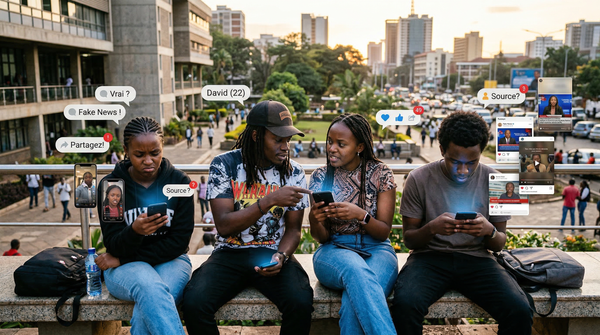
Social media is the preferred breeding ground for the spread and dissemination of these behaviors in Cameroon, thus compelling some NGOs to enter the fray with messages of peace and awareness, such as Civic Watch, which is mobilizing against online disinformation ahead of the elections in Cameroon. The week of March 27-28 provided them with an opportunity to work on strategies to address this growing threat and promote fact-checking in Africa.
In these times of great mobilization where all eyes seem to be on 2025, it is more than urgent to encourage such initiatives whose benefits would be multiple in terms of raising awareness of the potential dangers of electoral manipulation, election protection and the prevention of post-electoral crises, comments Mesmin ADIHI, a doctoral student in political science.
Legislation against disinformation needs strengthening
Although some public and semi-public actors are involved in prevention and enforcement in this area, such as the National Communication Council (CNC), the media regulatory body, and the National Agency for Information and Communication Technologies (ANTIC), which promotes and monitors government action in the field of ICT, the country does not have specific legislation to combat disinformation. However, some laws have been passed that punish the dissemination of false news, notably: Article 113 of the Cameroonian Penal Code, Article 78-1 of the Law on Cybersecurity and Cybercrime, and Article 8-3 of the Law Governing Audiovisual Activity in Cameroon. Further investigations are currently underway to find appropriate responses to this phenomenon, which dominates the Cameroonian public sphere.
Par Christian ESSIMI