


Written by Steve Mvondo
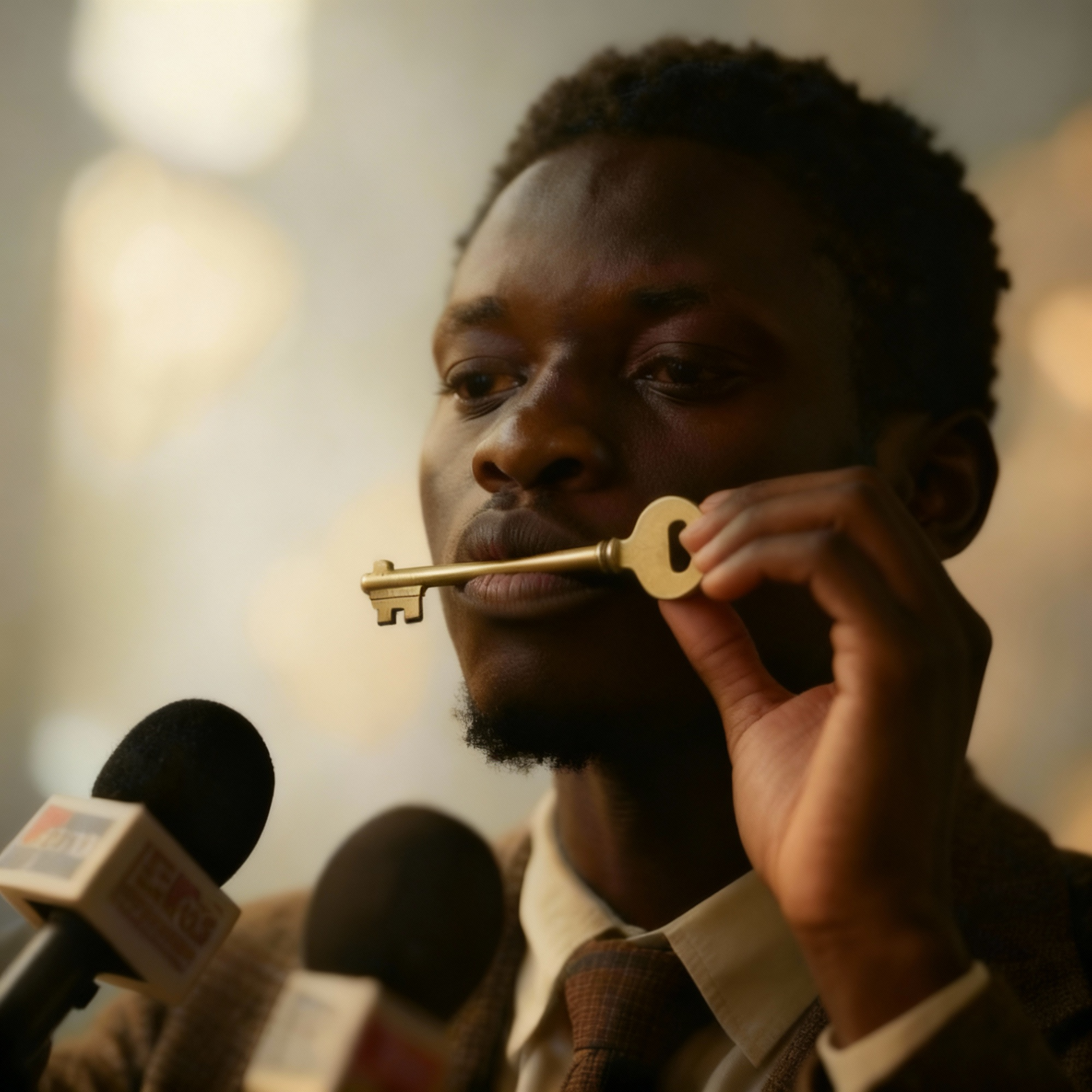
In Mali, freedom of expression has not been abolished. It has simply been emptied of its substance, like a right of which only the word remains. On paper, journalists can still publish, debate, and inform. But in reality, silence is gaining ground.
Since the military took power in 2020, freedom of expression in Mali has transformed into an act of courage, sometimes even defiance.
 Augustine
Every report, every word spoken on air, every social media post is now carefully weighed. Behind every line, there is the risk of being summoned, censored, arrested, or simply erased from public debate. It is still possible to inform, but exercising this freedom now comes at a price.
Several public figures have already paid the price. Moussa Mara , former Prime Minister, Mohamed Bathily, known as Ras Bath , famous columnist and radio host, as well as other journalists, influencers and opinion leaders, have been worried, arrested or disappeared after expressing opinions critical of the government.
 The Point Africa
 Flore Monteau
Fear isn't proclaimed, it takes hold. In newsrooms, it slips between sentences. In studios, it can be heard in the silences. On social media, it can be guessed in the coded words and the calculated cautions.
Malian journalists have never spoken so much about freedom, but rarely with such restraint.
When informing becomes suspect
Since 2021, several international media outlets have been suspended, including RFI, France 24, Jeune Afrique, and Le Monde Afrique, accused of damaging the country's image.
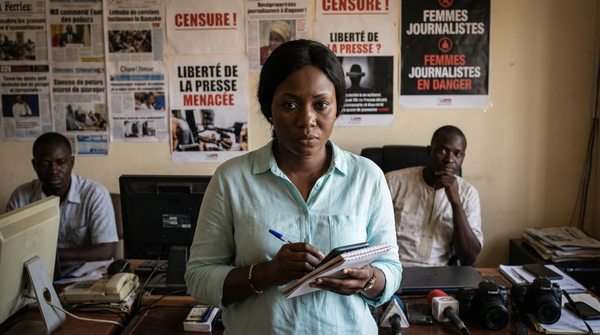
Local journalists have been arrested, intimidated, or placed under surveillance. Others have preferred to go into exile until "things calm down."
Simply discussing certain topics—governance, military affairs, or diplomatic relations—can lead to a summons in the name of "national security."
" We can talk, yes, but not about everything, and especially not about everyone, "
confides a journalist from a private radio station in Bamako. The message is clear: freedom of expression exists, as long as it doesn't bother anyone.
Faced with this climate, self-censorship has become a survival reflex.
Journalists rewrite their articles several times to avoid "words that offend."
Some media outlets prefer to no longer cover national politics, focusing on culture, sports, or community life. Others refrain from broadcasting certain investigations, for fear of "problems." Self-censorship is not imposed by decree; it imposes itself, through exhaustion, fear, or prudence.
In a context where information is disturbing, silence becomes a professional strategy.
Social networks under high surveillance
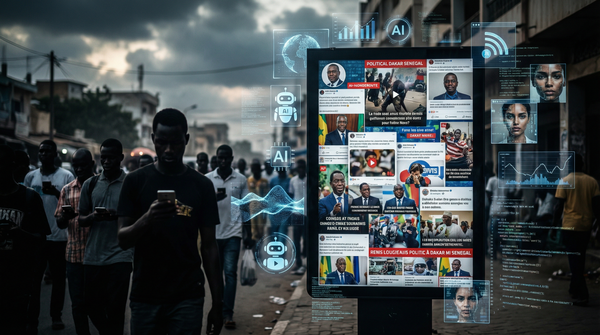
Once seen as a space of freedom, social media is now a minefield. Influencers close to the government are orchestrating online intimidation campaigns against journalists deemed "too critical."
Some anonymous accounts relay personal information, post threats, or accuse journalists of being "unpatriotic."
Ordinary citizens have been called out for posts deemed hostile to the transition. "Walls have always had ears. Today, screens do too," says one online journalist.
Freedom of expression exists, but it is fragile
Mali remains a country where speech circulates, where debates still exist. But this freedom is now conditional: one can speak, as long as one does not touch what is disturbing. The constitutional promise of a free press collides with a reality made of surveillance, intimidation, and moral fatigue. Yet, the Malian press has never been more determined to survive. It adapts, reinvents itself, organizes itself. In rural areas as well as in capitals, voices continue to be raised, often anonymously, sometimes in fear, but always with the same idea: to speak out, despite everything.
In a country where every word can cost dearly, writing becomes an intimate act of resistance.
Malian journalists aren't demanding privileges, only the right to do their work without fear of losing their freedom. Their writing isn't militant; it's human.
Because in Mali, freedom of expression has not disappeared. It survives, but not always after the expression.