


An anthropologist by training, former head of the National Museum of Mali and now chief of staff at the Ministry of Crafts, Culture, Hotel Industry and Tourism, Dr. Salia Malé looks back on her rich career and shares her thoughts on the role of digital technology in the preservation and enhancement of Malian cultural heritage.
How do you see the arrival of digital technology in the field of Malian culture?
It's a major turning point. I first encountered digital technology in the 1980s, when we began documenting objects and traditions at the museum through photography. At that time, we worked with film and black and white photographs to preserve the memory of traditions. Today, digitization has allowed us to better preserve and, above all, give greater visibility to our heritage.
Digital technology allows us to safeguard, promote, and share our traditions. Recordings, images, and videos become living archives accessible to all. This is a revolution in the way we preserve and transmit our culture.
Can you give a concrete example of this transformation?
Yes. I worked for a long time on the musical heritage of Mali. We recorded traditional musical genres, instrument-making techniques, dance steps, and musicians' repertoires.
Today, thanks to digital technology, all this work is preserved in a database at the National Museum. These archives, formerly on physical media, are now accessible and usable. This breathes new life into traditions that were at risk of disappearing.
Digital technology is therefore an opportunity, but does it also carry risks?
Yes, of course. The main challenge is protecting creators' rights. When a craftsperson, musician, or farmer is filmed and their image circulates online, what do they actually gain from it? Often, it's the platforms or broadcasters who profit the most, even though they are the ones who produced the raw material.
It is therefore necessary to establish clear regulations to guarantee that artists, craftspeople, and cultural workers can make a living from their creativity and are not dispossessed of their work.
Digital technology has also fostered the globalization of cultures. Do you think this is a good thing?
Yes and no. Yes, because digital technology has abolished borders. A story filmed in Koutiala can be seen by a young American thousands of kilometers away. This creates cultural openness and dialogue between peoples.
But no, if this globalization comes at the expense of local actors. We must regulate this openness so that the distribution of cultural content also benefits producers. Cultural globalization must be equitable, and this requires better regulation of digital technology.
In your opinion, what are the priority areas where digital technology can play a role in Malian culture?
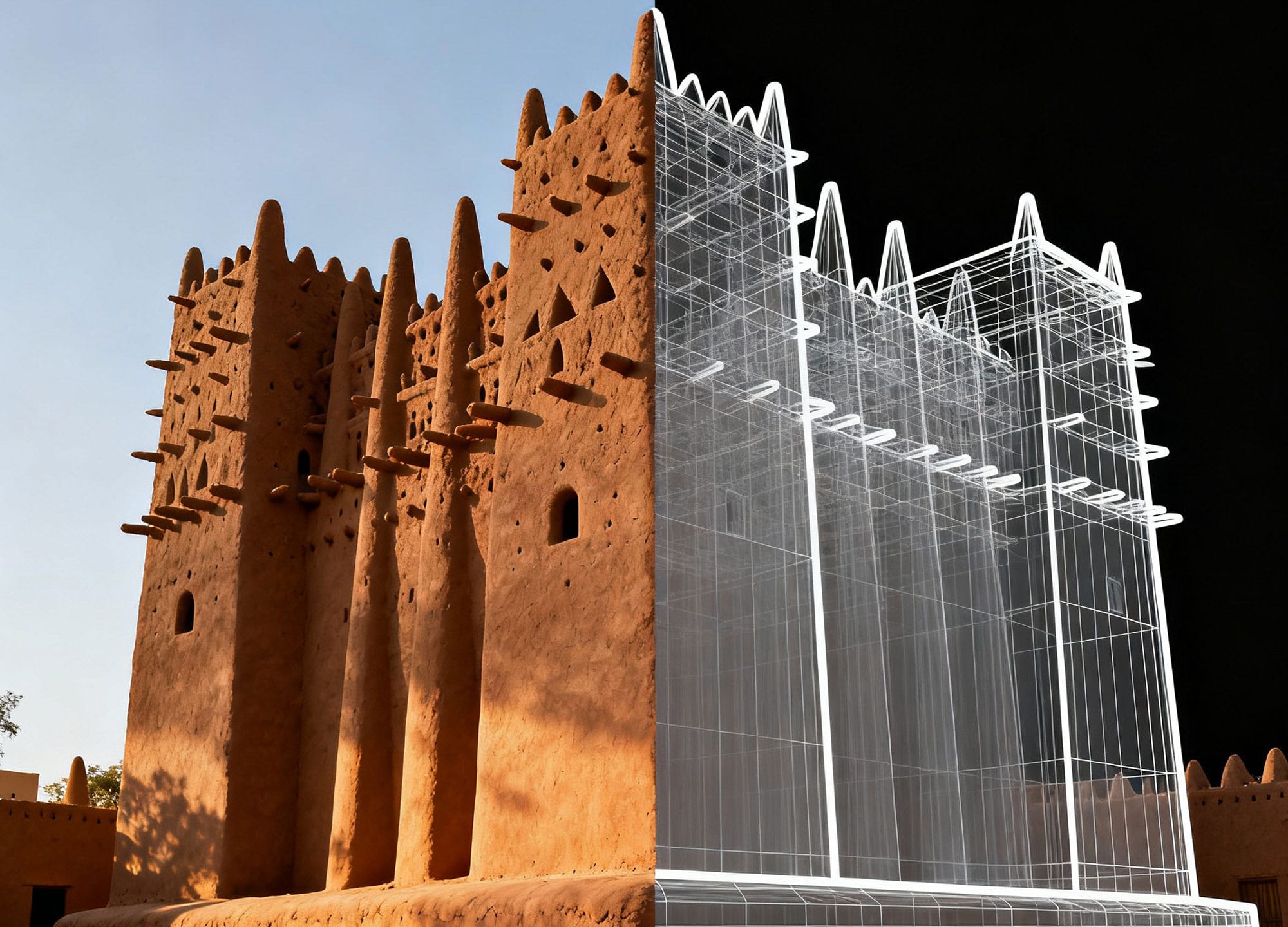
There are many. First, there's the digitization of ancient manuscripts, particularly those from Timbuktu. But there's also the preservation of tangible heritage—monuments, objects, works of art—and intangible heritage such as dances, songs, and rituals.
Digital technology is also transforming crafts: local products and know-how are better documented and promoted. Today, no cultural field escapes the influence of digital technology, whether for preservation or visibility.
What message would you like to send to Malian youth?
I would tell young people not to remain on the sidelines of this revolution. Digital technology creates jobs, opportunities, and spaces for expression. They must engage with it, train themselves in it, but also learn to protect their rights.
Young people must keep pace with technological evolution to benefit from digital technology while remaining true to their values and culture.
Article rédigé par Abdoussalam DICKO
A lire aussi :
 Augustine